How Google Ads Work: A Beginner’s Guide for Businesses
Google Ads can look impenetrable from the outside: a bidding auction you cannot see, a quality score you did not set, and a bill that arrives whether or not the clicks turned into anything. This guide takes the mystery out of it. You will see how the auction decides which ads show, what the main campaign types are for, what actually drives your costs, and how paid search sits alongside your organic rankings.
Struggling to navigate the complexities of Google Ads? You’re certainly not alone. While most businesses recognise the power of paid search to drive online visibility and sales, the real challenge lies in mastering the execution. That’s where expert Google Ads consulting comes in to unlock the platform’s full potential for your business.
With over 15 years of hands-on experience in SEO, social media marketing, and online ad management at Warren Digital, I’ve been in the trenches of Google Ads—turning raw clicks into valuable customers and adapting to an ever-evolving digital landscape.
Let’s dive into what a Google Ads consultant actually does and how strategic campaign management can scale your business growth.
What are Google Ads?
Google Ads (previously called Google AdWords) are clickable ads that appear at the top of Google search results, YouTube, and other websites that use them as part of their digital marketing strategies. Ad types can include text, image, and video ads designed to capture the attention of their target audience.
Businesses can improve their visibility by optimising ad copies, rank, and budget. Choosing the right type of Google Ad is essential for your business’s success, and it depends on your business model and the products or services you offer.
How does a Google Ads campaign get planned and run?
Google Ads consulting is a service delivered by certified Google Ads specialists.
This can range from managing ad accounts and setting up campaigns to conducting thorough audits and optimising for better conversion rates.
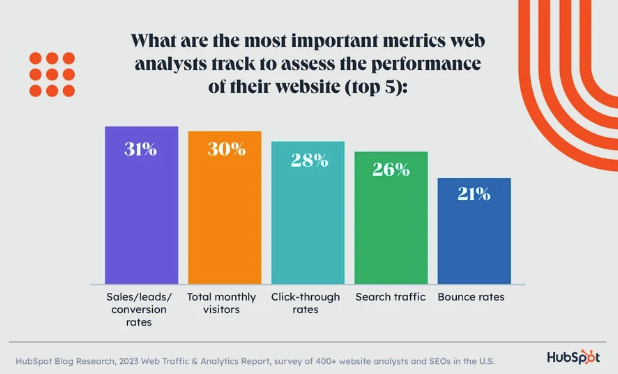
Image credit: HubSpot
A certified Google Ad expert will analyse accounts to enhance ad campaign performance.
The focus isn’t only on managing the ad platform and ensuring that every dollar spent on advertising invests in tangible business growth.
What parts make up a Google Ads campaign?
Google Ads consulting offers a suite of services to boost your campaign. This includes:
1. Campaign strategy and management
The heart of a successful Google Ads campaign lies in a flexible and focused strategy that adjusts to market shifts and your business objectives.
An expert Google Ads consultant plays a key role here, helping you set goals, choose the right ad formats, and allocate your budget effectively to enhance visibility and conversions.
They’ll keep tabs on how your campaigns are doing, assess keywords, and make sure your ad spend is working hard for you. Part of this involves A/B testing for ads and landing pages to find what works best.
2. Targeting and reaching the right audience
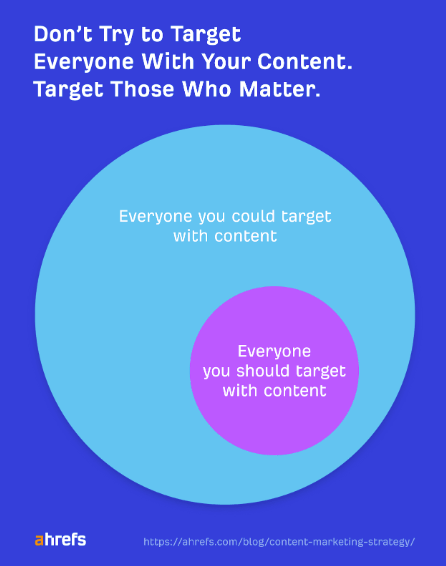
It’s all about getting your ads in front of the people who want what you’re offering. Google Ads experts use tools like Google Analytics to zero in on your perfect audience based on demographics, interests, and behaviour online.
 +
+
Image credit: Ahrefs
This targeted approach means your ads reach folks actively searching for what you’ve got, boosting your chances of making that sale. Plus, you can re-engage past visitors with retargeting strategies.
3. Crafting compelling ads
Creating resonate ads involves speaking directly to your audience’s needs and desires. Google Ads consultants are pros at creating engaging copy and visuals that grab attention.
The goal is to forge a connection that prompts action through display ads, shopping ads, or call-only options. Understanding your audience’s language and pain points is crucial here.
4. Optimising landing pages for conversions
Getting a click is just the beginning. The landing page has to convince visitors to take the next step. That’s why consultants focus on making these pages conversion-friendly, ensuring they’re fast, mobile-responsive, and have a clear call to action (CTA).
For e-commerce sites, this might involve SEO tweaks, while informational sites may need content strategies that build trust.
5. Measuring success and making adjustments
Monitoring your campaigns’ performance is ongoing. Google Ads managers use monthly reports and live data to see what’s working and what’s not.
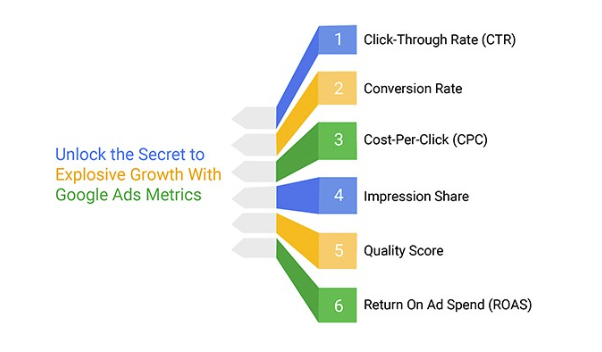
Image credit: LinkedIn
They examine metrics like conversion rates, cost per click (CPC), and return on ad spend (ROAS) to continually refine your strategy and achieve better results.
6. Competitor analysis
Understanding what your competitors are up to can give you an edge. Consultants analyse their tactics to pinpoint opportunities for you to stand out or to identify keywords and platforms where they’re active.
With this insight, you can strategically position your brand to capture more of the market.
7. Staying up-to-date with Google Ads changes
New features, algorithms, and best practices emerge regularly on the Google Ads platform. To maintain a competitive edge, certified Google partners and specialists dedicate themselves to staying current on these developments.
Embracing the latest tools like Performance Max campaigns ensures your Google Ads efforts are as impactful as possible, enhancing visibility, engagement, and conversions.
How do Google Ads and SEO work together?
Google Ads complements SEO by offering strategies that boost your online presence and search rankings. Consultants can ensure your ads appear prominently in search results by conducting thorough keyword research, refining landing pages, and crafting targeted PPC ads.
This focused effort drives more traffic to your site, increasing the chances of turning visitors into customers.
Using tools like Google Tag Manager and focusing on quality score improvement, consultants can boost the performance of PPC campaigns across search engines and social media platforms, including YouTube advertising and Google Shopping Ads.
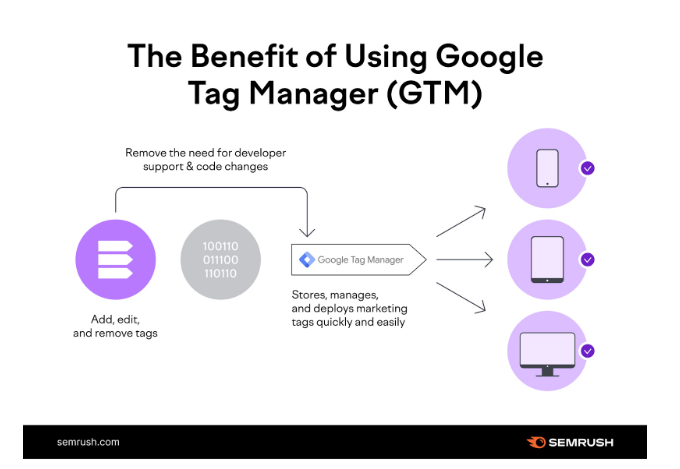
Image credit: Semrush
The ultimate aim? To grow your business by optimising your paid search and PPC marketing strategies for maximum efficiency and impact.
How much does it cost to run Google Ads?
Two primary expenses dictate your total Google Ads investment. First is your direct ad spend, which fluctuates based on auction competition for your target keywords. Second is management cost—the time or agency fee required to optimize the account. Budgeting for both upfront is essential: an unmanaged campaign with a high spend often yields worse results and higher waste than a smaller budget actively managed every month.
Google Ads management fees typically range from a few hundred to several thousand dollars per month depending on the campaign’s scale. Key pricing factors include:
Pricing Model
Consultants charge via hourly rates, monthly retainers, or a percentage of ad spend.
Experience Level
Highly experienced specialists with proven track records charge higher rates for their strategic expertise and ROI performance.
Campaign Complexity
Accounts covering multiple products, broad geographic targets, or complex campaign structures demand more labor and strategic oversight.
Geographical Location
Rates frequently reflect the consultant’s local market and cost of living.
For a detailed breakdown of pricing models and ad format costs, explore our comprehensive Google Ads cost guide.
Are there any drawbacks?
While hiring a consultant offers many benefits, there are also potential drawbacks.
Knowing when you need outside help
One of the primary challenges is finding a consultant with expertise who aligns with your industry and understands your specific goals.
Searching and vetting potential consultants demands time and resources that could be allocated to other important business tasks. If you’re looking for more information, check out our guide on how to choose a PPC agency.
Cost
Hiring a consultant might be a significant hurdle for small businesses or startups operating on tight budgets.
Additionally, if not managed carefully, expenses can spiral, potentially affecting the overall return on your investment in Google Ads.
Short-term vs. long-term strategy
Some consultants may prioritise short-term results over developing a robust long-term strategy.
This focus on immediate gains could lead to an over-reliance on paid advertising, neglecting the importance of organic growth tactics that ensure sustainable success.
Limited control
Outsourcing your PPC campaigns means you’ll have to give your consultant a certain level of control.
This shift can be challenging for businesses that want to maintain a hands-on approach to their marketing strategies, ensuring every aspect aligns with their brand’s values and objectives.
Future Google Ads trends
To stay ahead of the competition, businesses must stay up-to-date with the latest Google Ads trends. These developments are crucial for maintaining a competitive edge. Here are some of the upcoming trends to keep an eye on:
1. Rise of automation and AI
Google’s integration of artificial intelligence (AI) and machine learning transforms how ads are managed.
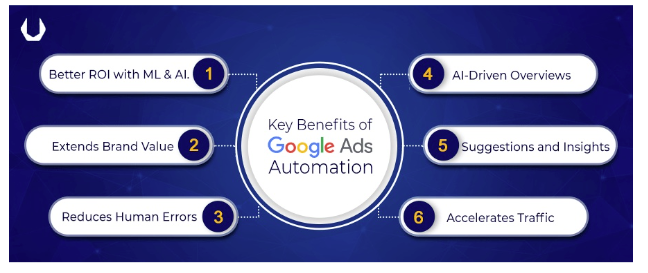
Image credit: Unyscape
This technology enables more efficient bid adjustments, ad placements, and overall campaign optimisation, promising higher returns with less manual intervention.
2. Focus on privacy-centric targeting
In response to increasing privacy concerns, Google Ads is moving towards targeting methods that prioritise user privacy.
This includes reducing dependence on third-party cookies and implementing more secure ways to collect and use data, ensuring effectiveness in targeting and compliance with privacy standards.
3. Enhanced use of visual and video content
With the digital space becoming more visually oriented, there’s a growing trend towards incorporating rich media into PPC campaigns.
Expect an increase in video ads, including YouTube advertising, and more interactive ad formats that engage users more effectively than traditional text-based ads.
4. Expansion of local service ads
Google is expanding its local service ads to cover more areas and industries for businesses serving local communities.
This trend highlights the importance of local search and provides businesses with opportunities to connect with their community more directly.
5. Adaptation to voice search
As voice-activated devices continue to gain popularity, optimising for voice search queries will become increasingly important.
This involves tailoring keywords and content to match the conversational tone and questions users are likely to ask, offering a significant avenue for reaching audiences through a rapidly growing medium.
Summing up
Once you understand the auction, the campaign types and where your money goes, running Google Ads becomes a series of decisions rather than a leap of faith. If you would rather have those decisions made by people who make them daily, Warren Digital’s Google Ads consultant in Sydney page sets out how accounts are built, managed and reported on for Australian businesses.