Why do in-house Google Ads accounts drift off track?

An in-house Google Ads account rarely fails on day one. It fails slowly. The person who set it up moves on to other work, the search terms report stops being opened, the landing pages stay as they were, and six months later the cost per enquiry has crept up without anyone deciding to let it. This article walks through the four places that drift usually starts and what pulls each one back.
Why do in-house teams run out of time for the account?
Businesses that rely solely on in‑house marketing teams often struggle to manage Google Ads efficiently because internal teams rarely have the depth of expertise needed for long-term growth. Misaligned strategy, lack of external insight, and unstructured campaign management lead to poor returns. Here are the key pitfalls many businesses face when managing campaigns internally:
- In‑house teams often lack the deep platform‑specific expertise required to optimise bids, keywords and ad copy with precision — they may simply replicate what they’ve done before rather than refine for growth.
- Without an external perspective, you risk making costly, short‑sighted assumptions (e.g., increasing budget without improving targeting or creative), which leads to budget waste and weak returns.
- The complexity of the platform means new features, algorithm changes, and best‑practice updates slip under the radar — leaving your team behind the curve and less efficient than competitors.
- Relying purely on internal resources can lead to inconsistent campaign management (infrequent audits, neglected landing pages, slow iteration), which slows momentum and reduces competitiveness.
In many cases, businesses struggle because they haven’t defined what what is Google Ads consulting really entails in a structured way — leading to missed opportunities for strategic growth. By recognising these issues and addressing structural gaps, organisations can start turning underperforming campaigns into sustainable lead generators.
Why do DIY campaigns often lead to unexpected costs in Australia?
Many businesses jump into Google Ads with enthusiasm but little structure, assuming they can manage costs as they go. However, DIY efforts often miss crucial optimisation steps, leading to rising expenses and fewer conversions. In Australia’s competitive ad space, inexperience can become expensive fast. Here are the common reasons DIY campaigns get more expensive than intended:
- The average cost per click (CPC) and cost per conversion in Australia can vary dramatically across industries, and DIY approaches often fail to benchmark and control those metrics.
- Poor budgeting controls — such as leaving broad keywords unchecked or using default bids — cause ad spend to inflate rapidly without clear return.
- Lack of rigorous tracking, attribution and measurement leads to spending on traffic that doesn’t convert, making the true cost of each campaign unclear and often misleading.
- Without specialist oversight, you may miss the hidden costs: wasted impressions, irrelevant clicks, neglected negative keywords and unoptimised landing pages — all contributing to diminishing returns.
Here’s a quick comparison table showing how DIY vs expert consulting can affect key metrics:
| Metric | DIY Campaigns | Expert Consulting |
| Average Cost per Conversion | Higher and unpredictable | Lower through optimisation |
| Conversion Rate | Variable and often low | Higher due to structured strategy |
| Budget Utilisation Efficiency | Often inefficient | Optimised |
| ROI Focus | Weak measurement | Strong, data‑driven focus |
Once businesses understand the Google Ads cost in Australia, it becomes clear that a professional strategy delivers better value in the long run.
Does your strategy lack landing pages for Google Ads campaigns?
Many campaigns underperform not because of bad ads, but because the user experience post-click fails to convert. If you’re not supporting your ad traffic with strategic landing pages, you’re leaking valuable budget. This section looks at why that happens — and how to plug the holes. Here are the areas most campaigns overlook when landing pages are weak or missing:
- Landing pages not purpose‑built for the ad’s promise lead to high bounce rates and low conversion — meaning your ads generate clicks but little meaningful action.
- Without alignment between ad messaging and landing‑page content, your Quality Score suffers, driving up CPCs and reducing visibility.
- The absence of A/B testing on landing pages means you’re stuck with designs that aren’t converting optimally, costing you opportunities every day.
- Ignoring mobile‑first design, page‑speed issues or user journey obstacles means users click and drop off — your budget drains while results stagnate.
This is often where businesses benefit from external expertise, as landing pages for Google Ads campaigns require a specific, conversion‑oriented mindset that in‑house teams may not prioritise.
How does a structured account routine drive steady growth?
Structure is what stops an account drifting. Set a fixed day each week for the search terms report and the negative keyword list. Set a fixed day each month to compare landing page conversion rates and retire the pages that are dragging the account down. Keep one written record of what you changed and when, so a change in cost per enquiry can be traced to a decision rather than guessed at. The routine matters more than the tooling. Here are the ways professional consultancy helps businesses achieve real improvement:
- Consultants bring data‑driven insight and advanced tools which allow you to optimise targeting, bidding, creative and audience segments beyond what a generalist team often does.
- They implement ongoing measurement frameworks (such as conversion tracking, attribution models and analytics) so you understand how your campaigns are performing and where you can improve.
- Structured consultancy helps you avoid the cost leaks and unmanaged spend seen in DIY campaigns. Consultants bring discipline, regular reviews and incremental improvement so your ad investment works harder.
With tailored expert guidance, you can explore professional Google Ads optimisation services to understand how structured support can lift your campaign performance and minimise wasted spend.
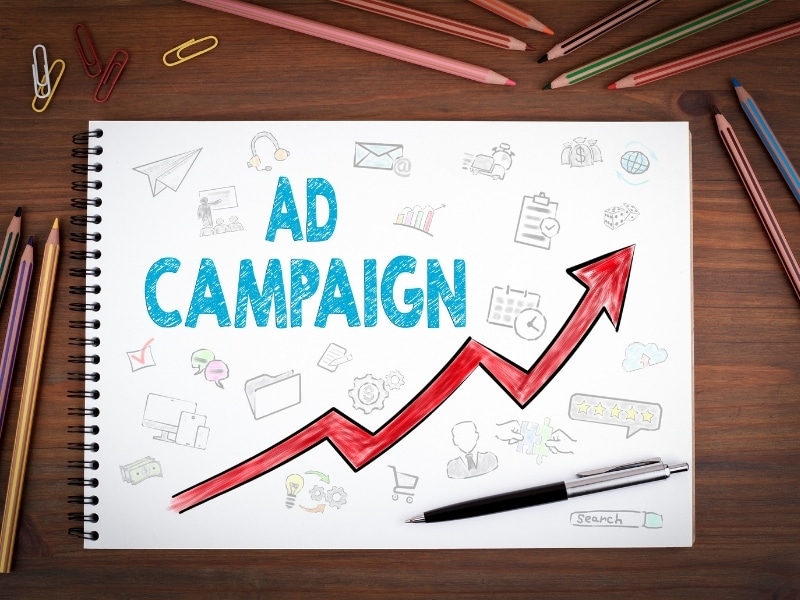
Does Google Ads continuous optimisation help maximise your ad investment?
One‑time setups don’t cut it anymore. To remain competitive, businesses must commit to ongoing refinement. Continuous optimisation ensures your campaigns evolve with market trends, user behaviour and algorithm shifts. Here are the continuous optimisation processes that make the difference:
- Frequent data reviews allow you to catch performance dips early, adjust bids, pause under‑performing ads and reallocate budget to what is working.
- Continuous testing (ad copy, creative, audience segments, landing pages) ensures you learn and improve rather than let campaigns stagnate.
- Optimising for long‑term quality (higher Quality Score, better ad rank, lower CPC) means your ad investment yields more value over time rather than just short‑term gains.
- Using real‑world metrics to refine your strategy (for example, shifting from clicks to conversions, or from generic keywords to more focused segments) keeps your investment aligned with business outcomes.
By consistently improving ad relevance and Quality Score, your campaigns become cheaper and more effective. This makes your total spend work harder and generate more qualified leads.
Final thoughts
Drift is normal. The accounts that hold their performance are simply the ones where someone has the routine in their diary and keeps it. If that has quietly stopped happening in your business, and the ad spend is still going out each month, it is worth putting the account in the hands of someone who runs that routine daily. Aron Warren and the team do exactly that through our Google Ads agency in Sydney.